How to Prevent Frozen Pipes in a South Jersey Home
The Short Answer: Protect Vulnerable Plumbing Before the Freeze
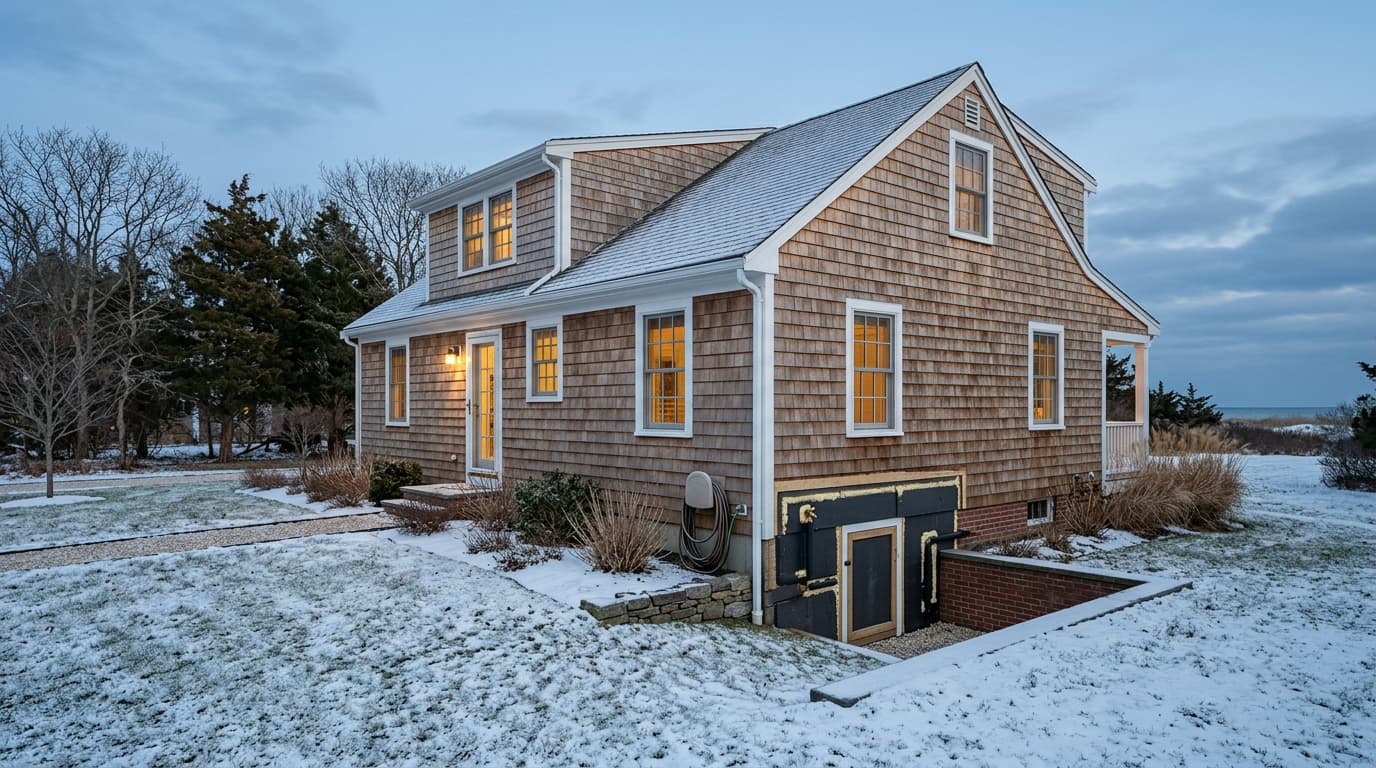
To prevent frozen pipes in a South Jersey home, first find the plumbing most exposed to cold air: exterior hose bibs, garage or crawl-space lines, pipes in exterior walls, unheated additions, and water lines near drafty openings. Disconnect hoses, close and drain exterior faucets when the system allows it, seal cold-air leaks, keep vulnerable areas above freezing, and know where the main water shutoff is before winter weather arrives.
Do not treat insulation as a complete answer to a leak, missing heat, or a pipe routed through an unprotected cavity. A practical plan starts with the building conditions and ends with a tested shutoff and a response plan. Our general contracting services can coordinate access, insulation, wall, and finish work, while qualified plumbers should handle plumbing alterations and repairs.
Find the Pipes Most Likely to Freeze
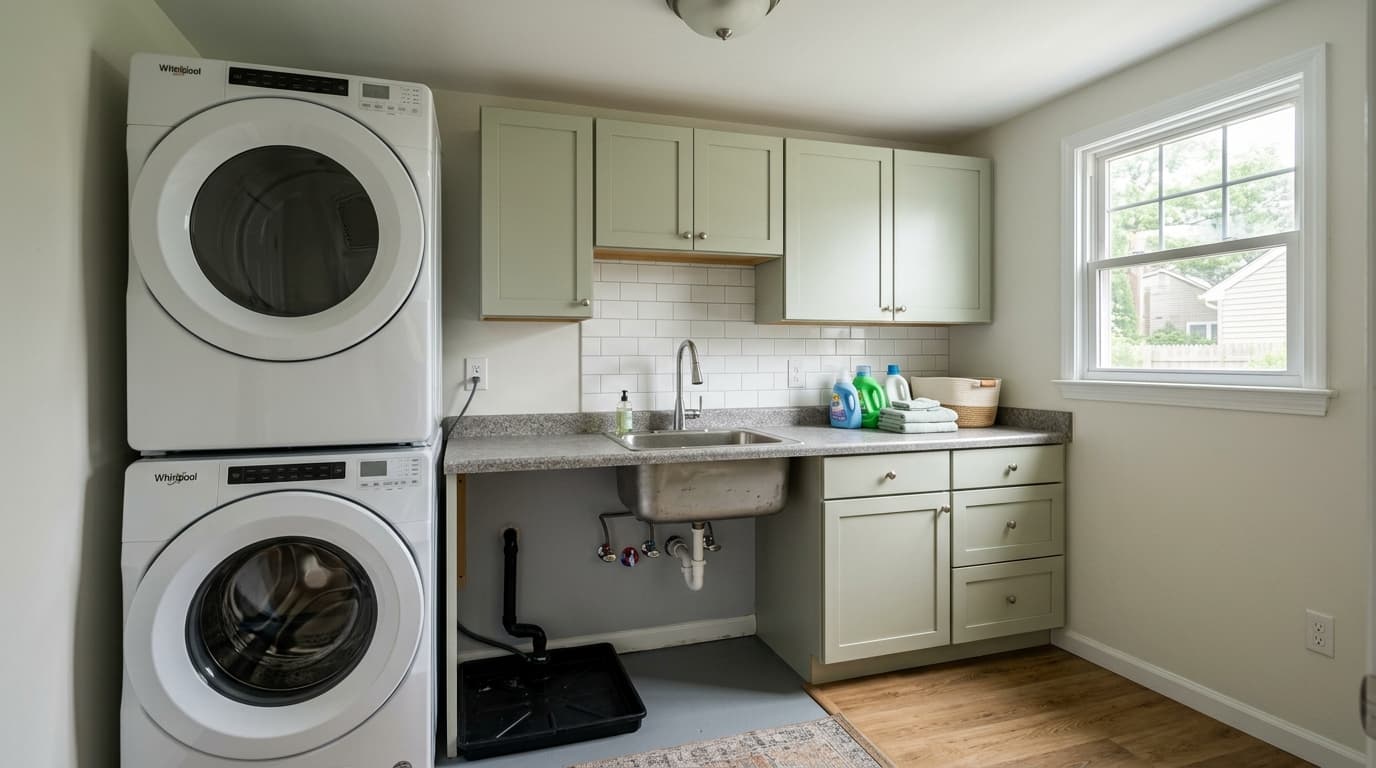
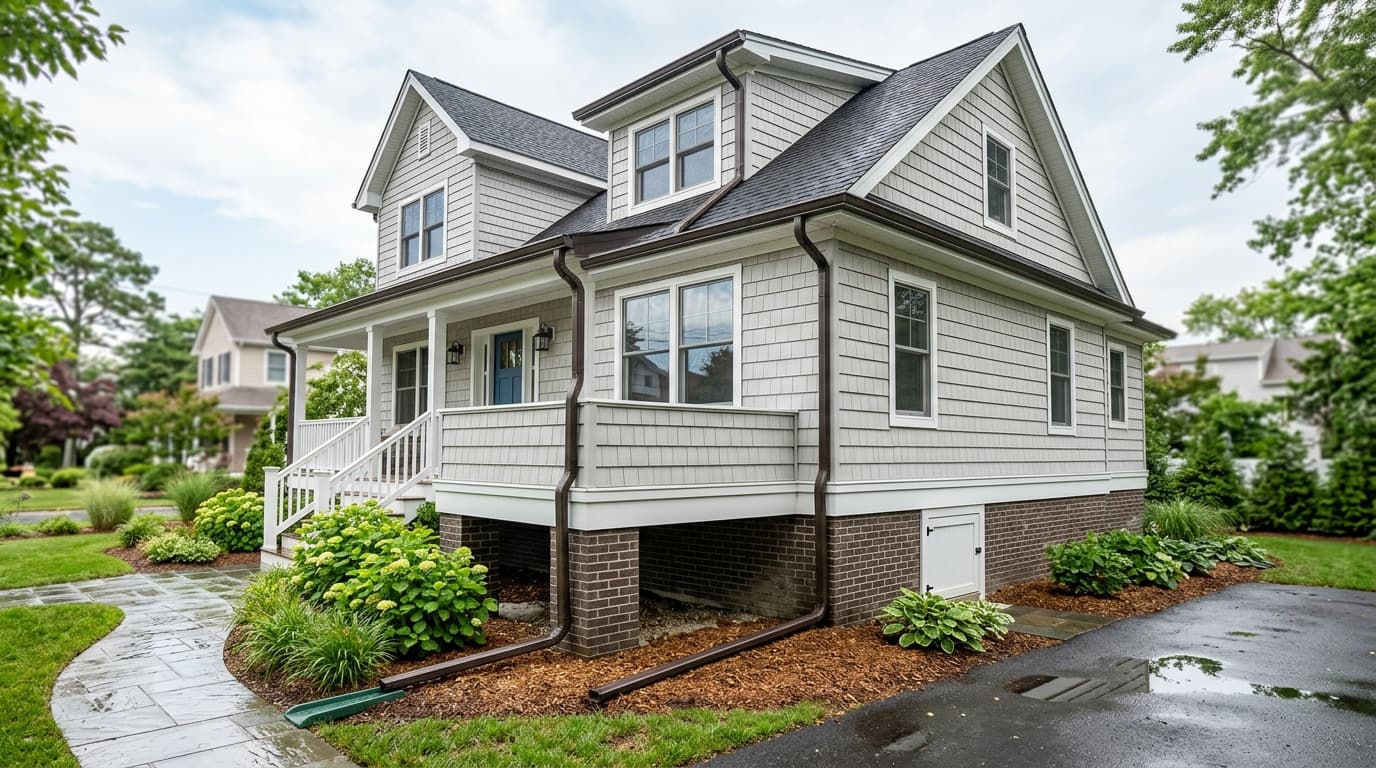
Walk the house from the basement or utility area outward and trace where water enters, branches, and leaves the building. Look for pipes beside exterior walls, under sinks on outside walls, above unheated garages, in vented crawl spaces, inside attic or knee-wall areas, and near poorly sealed doors. Coastal wind, an exposed addition, a vacant room, or a power outage can change the risk even when the forecast temperature is only briefly below freezing.
Check for warning signs before cold weather: a faucet that has weak flow, damp insulation, staining, corrosion, a musty smell, a draft at a pipe penetration, or a room that is noticeably colder than the rest of the house. A freeze can split a pipe even when the rupture is not visible; water may not appear until the line thaws and pressure returns. Do not crawl into an unsafe crawl space, open a wall around wiring, or disturb suspected mold to investigate one cold pipe.
Photograph the utility room, shutoffs, hose bibs, crawl-space access, and exposed lines. Mark what you can safely identify on a simple house sketch. This record helps a plumber or contractor distinguish a vulnerable location from a failed valve, a leak, or a larger drainage problem.
Prepare Exterior Faucets, Hoses, and Outdoor Connections
Before a hard freeze, remove garden hoses, splitters, timers, and spray nozzles from exterior faucets. A connected hose can hold water against the faucet and prevent the line from draining. If the home has interior shutoffs for exterior hose bibs, close them and open the outside faucet to relieve and drain the section as the plumbing design permits. Do not force a stuck valve or assume every faucet drains the same way.
Inspect the faucet, wall penetration, nearby siding, and interior access for dripping, cracks, staining, or an unsealed opening. A frost-free hose bib still needs correct installation, a downward pitch where required, and a hose removed before freezing weather. Insulation around a faucet does not repair a split body, a leaking shutoff, or a pipe that remains full of water.
If an exterior line has frozen repeatedly, ask a qualified plumber to review its routing, shutoff, drainage, support, and insulation strategy. The American Red Cross frozen-pipe guidance recommends prevention steps such as disconnecting outdoor hoses and protecting exposed plumbing. Use that general guidance with the actual configuration of your home.
Keep Cold Areas Warm Without Creating a New Hazard
Keep the building at a safe, consistent temperature during a freeze, including when you are away. Open cabinet doors under sinks on exterior walls when appropriate so household heat can reach the pipes, and keep interior doors open enough for warm air to circulate. Do not close supply registers, block returns, or use an unapproved space heater in a crawl space, under a sink, beside combustibles, or near water.
Insulation slows heat loss; it does not generate heat or make a pipe safe when cold air is entering through a missing section of wall or floor. Seal penetrations and drafts with materials appropriate to the assembly, but do not cover valves, cleanouts, electrical equipment, combustion-air openings, or service points. In a basement or crawl space, investigate damp insulation, standing water, rodents, and damaged vapor-control or air-sealing details before enclosing the area.
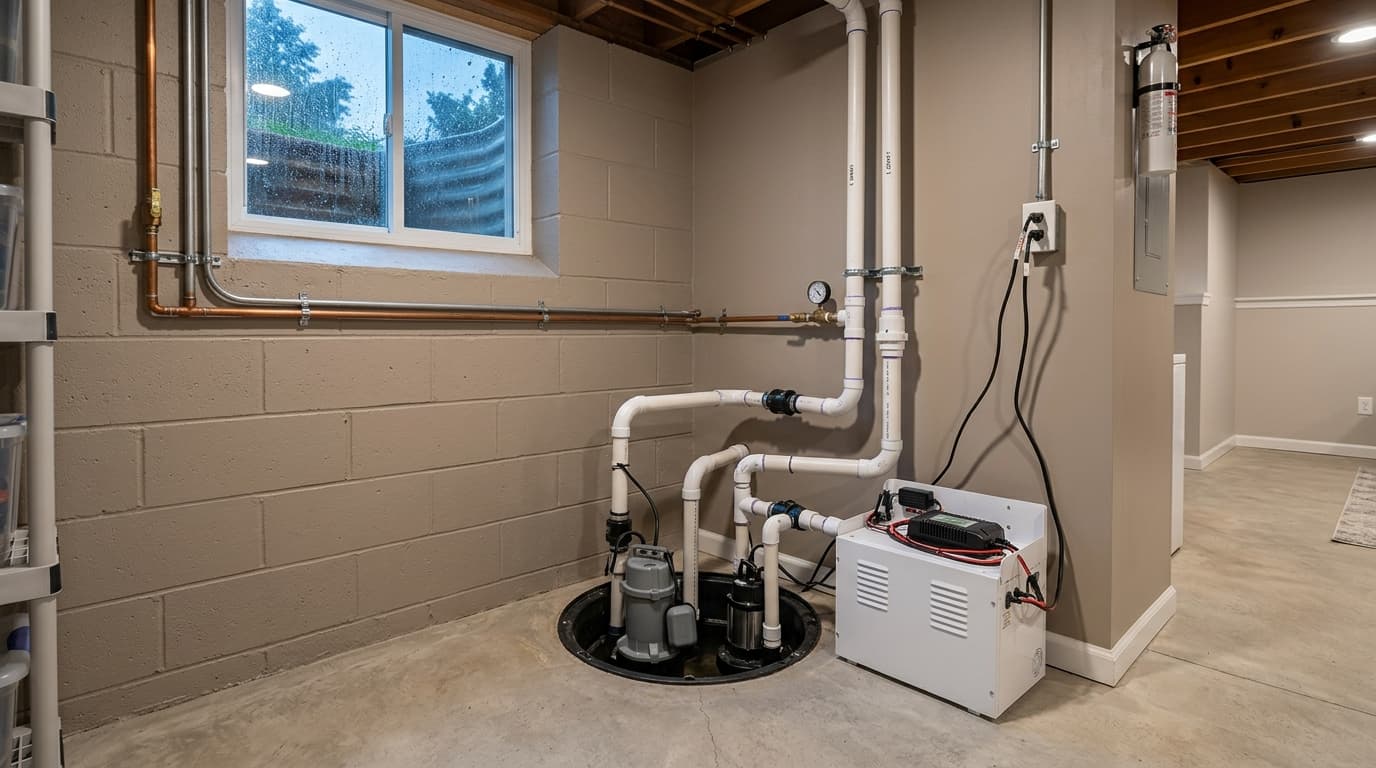
Ready.gov's WinterReady guidance encourages households to prepare for cold-weather hazards and outages. A South Jersey home should also have a plan for the systems that depend on power: well pumps, heating controls, sump pumps, alarms, and communications equipment. A generator must be used outdoors and connected safely by qualified professionals; it is never a reason to operate fuel-burning equipment indoors.
Planning a project in South Jersey?
Get a free, detailed estimate from a licensed NJ contractor — no pressure, no sales pitch.
Make the Shutoff and Away-from-Home Plan Before You Need It
Locate the main water shutoff and make sure it can be reached without moving stored items or entering an unsafe area. Learn whether the handle is a gate valve, ball valve, or another type, and ask a plumber to replace a seized or leaking shutoff. Label the main valve and important branch shutoffs. Do not remove a meter seal or alter utility equipment.
If you leave during freezing weather, keep heat operating, ask a trusted person to check the home, and know how the heating, water, alarm, and pump systems behave during an outage. A vacant property may need its water supply shut off and lines drained by a qualified professional, but draining a home is not a universal DIY step: plumbing layout, boilers, fire sprinklers, appliances, and traps require a specific plan.
The written emergency plan should include the water shutoff location, plumber and utility contacts, heating controls, leak sensors, the location of the electrical panel, and what to do if the home loses heat. If water is near electrical equipment, keep clear and call qualified professionals rather than reaching into a wet area.
What a Frozen-Pipe Prevention Scope Should Include
Compare the diagnosis and the building work, not just a roll of pipe insulation:
- Mapping: Which pipes, hose bibs, rooms, crawl spaces, garages, and additions were inspected?
- Cause: Is the risk caused by low temperature, air leakage, missing insulation, poor routing, a failed valve, or a heating problem?
- Protection: What insulation, air sealing, heat, access, or rerouting is proposed, and what remains exposed?
- Serviceability: Will shutoffs, cleanouts, valves, alarms, and plumbing connections stay reachable?
- Moisture: Are damp materials, drainage, condensation, or prior leaks addressed before the area is closed?
- Repairs: If a pipe has split, who handles drying, damaged finishes, plumbing repair, and concealed conditions?
- Approvals: Does the plumbing, electrical, structural, or finish scope require permits or inspections?
- Testing: How will the work be checked during cold weather, and what maintenance is the homeowner expected to perform?
New Jersey requirements depend on the actual plumbing, mechanical, electrical, structural, and finish work and on the municipality. The New Jersey Department of Community Affairs' Codes & Standards resources are a starting point, but the local construction official determines what applies to the address. Require the contractor to identify permit and qualified-trade responsibility in writing.
If a Pipe Freezes or Bursts, Stop the Damage Safely
If a faucet stops flowing during a freeze, assume a pipe may be frozen and identify the shutoff before applying heat. If a pipe has burst or water is entering the building, shut off the main water supply if it is safe to do so, turn off electrical power only when you can do that without entering water or touching wet equipment, and call a qualified plumber. Move valuables only from a dry, safe location and photograph conditions for your records.
Never use an open flame, torch, charcoal, propane heater, or other improvised heat source to thaw a pipe. Do not use a heat source near combustible materials, concealed wiring, gas piping, or standing water. The Red Cross recommends safe thawing methods and professional help when needed; stop immediately if a pipe bulges, cracks, smells of gas, shows damaged wiring, or cannot be reached without demolition.
After the water is controlled, the job is not finished. Wet insulation, drywall, flooring, framing, and stored materials may need prompt drying or removal. Our storm-damage services can coordinate a post-event building review, while basement finishing services should begin only after the plumbing, moisture, and drying conditions are understood. For a home in Egg Harbor Township, Galloway, Absecon, or another South Jersey community, use our contact page to request a documented scope—not as a substitute for emergency services or a licensed plumber.